
u glass price
Understanding Slow Closing Check Valves Importance and Applications In various industrial and municipal applications, the management of fluid flow is paramount. One essential component often utilized for this purpose is the slow closing check valve, a mechanism designed to prevent backflow while reducing the potential for hydraulic shock. This article explores the significance and functionality of slow closing check valves, shedding light on their applications and advantages. What is a Slow Closing Check Valve? A slow closing check valve is a type of valve that allows fluid to flow in one direction while preventing reverse flow. Unlike standard check valves that can slam shut quickly, potentially causing water hammer—a sudden pressure surge—slow closing check valves are designed with a mechanism to control the closure speed. This gradual closure helps to minimize turbulence and reduce the stress on the piping system, ultimately enhancing system longevity. Functionality and Design The primary function of a slow closing check valve is to permit fluid flow only in one direction. When the flow is active, the valve remains open, allowing for fluid transmission. Once the flow stops or reverses, the valve closes slowly to prevent backflow. This controlled closure mechanism is often achieved through hydraulic dampening or the use of specialized spring systems that govern the valve's movement. The design of a slow closing check valve typically includes robust materials that withstand high pressures and corrosive conditions . Common materials used in construction include stainless steel, brass, and various thermoplastics, ensuring durability across various environments. Applications of Slow Closing Check Valves Slow closing check valves find applications in multiple sectors, including water treatment plants, HVAC systems, fire protection systems, and industrial processes. Their ability to mitigate water hammer makes them particularly beneficial in large piping systems where sudden pressure changes can lead to significant damage. 1. Water Treatment Facilities In water distribution systems, these valves help maintain consistent pressure levels and prevent contamination from reverse flow, ensuring safe drinking water. slow closing check valve 2. Fire Protection Systems In fire sprinkler systems, slow closing check valves prevent backflow that could compromise the system's integrity, ensuring reliable operation during emergencies. 3. HVAC Systems In heating and cooling applications, they help regulate flow and pressure, contributing to the efficiency of the system and preventing damage from hydraulic shock. 4. Industrial Applications In various manufacturing processes, these valves play a crucial role in maintaining the flow direction, allowing for the safe transport of fluids throughout the production line. Advantages of Slow Closing Check Valves Slow closing check valves offer several advantages over traditional check valves. Their main benefits include - Reduction of Water Hammer The controlled closure minimizes the risk of sudden pressure surges, protecting piping systems from damage and reducing maintenance costs. - Enhanced System Reliability By preventing backflow, these valves ensure that systems function smoothly and efficiently, reducing the likelihood of disruptions. - Longevity The high-quality materials and thoughtful design contribute to the valve's durability, providing a long service life and reducing the need for frequent replacements. In conclusion, slow closing check valves are crucial components in various fluid management systems. Their ability to prevent backflow while mitigating hydraulic shock makes them indispensable in industries ranging from municipal water systems to industrial manufacturing. Investing in high-quality slow closing check valves is essential for ensuring reliable and efficient operation, ultimately contributing to the safety and longevity of fluid systems.
about
u glass price
Level Factory A Cutting-Edge Approach to Optimizing Manufacturing Processes In an era defined by rapid technological advancements and increasing competition, manufacturers are continually seeking innovative solutions to optimize their production processes. One such solution is the concept of a Level Factory. This strategic approach leverages a combination of advanced technologies, lean manufacturing principles, and a focus on continuous improvement to enhance efficiency, improve product quality, and reduce waste. Understanding the Level Factory Concept At its core, a Level Factory refers to a production environment where processes are standardized and harmonized to achieve a consistent flow of goods. The goal is to create a balanced system where production rates are synchronized with demand, reducing fluctuations that can lead to overproduction or underutilization of resources. This alignment not only improves efficiency but also enhances the overall responsiveness of the manufacturing operation. The concept is heavily influenced by lean manufacturing principles, which emphasize the elimination of waste in all forms. In a Level Factory, waste is identified and addressed systematically, whether it’s excess inventory, unnecessary movement, or waiting times. By creating a more streamlined production process, manufacturers can achieve higher throughput without compromising quality. The Role of Technology Embracing technology is a crucial aspect of establishing a Level Factory. Advanced manufacturing technologies such as automation, robotics, and data analytics play a significant role in optimizing production processes. Automated systems can perform repetitive tasks with precision, reducing the likelihood of human error and increasing output rates. Additionally, the integration of Internet of Things (IoT) devices allows for real-time monitoring of equipment and processes, enabling manufacturers to identify bottlenecks and optimize operations on-the-fly. Data analytics also provides valuable insights into production trends and performance metrics. By analyzing historical data, manufacturers can make informed decisions about resource allocation, maintenance schedules, and production planning. This data-driven approach ensures that operations remain agile and adaptable to changing market demands. level factory Continuous Improvement Culture Another critical aspect of the Level Factory model is the emphasis on a culture of continuous improvement. Employees are encouraged to identify inefficiencies and propose solutions. This empowerment fosters a sense of ownership and accountability among team members, leading to innovative ideas that can drive process enhancements. Techniques such as Kaizen, which focuses on small, incremental changes, can be employed to cultivate this culture. Regular training programs ensure that all team members are equipped with the skills needed to contribute to the factory's optimization efforts. By investing in employee development, manufacturers not only enhance their workforce's capabilities but also boost morale and job satisfaction. A motivated team is more likely to buy into the company's vision and strive for excellence. Sustainability and Social Responsibility The Level Factory approach also aligns with the growing emphasis on sustainability and social responsibility in manufacturing. By minimizing waste and optimizing resource utilization, manufacturers can significantly reduce their environmental impact. Furthermore, a Level Factory can implement practices that promote ethical labor standards and community involvement, contributing to a positive corporate image. Consumers are increasingly inclined to support brands that prioritize sustainability and ethical practices. By adopting a Level Factory model, manufacturers can not only enhance their operational efficiency but also meet the rising expectations of socially conscious consumers. Conclusion The Level Factory represents a transformative approach to modern manufacturing. By integrating advanced technologies, fostering a culture of continuous improvement, and prioritizing sustainability, manufacturers can achieve significant gains in efficiency and product quality. In a dynamic market landscape, the ability to adapt swiftly to changing demands while minimizing waste is a competitive advantage that no manufacturer can afford to overlook. As the industry continues to evolve, embracing the principles of the Level Factory will undoubtedly be a critical factor in achieving long-term success.
-

High quality industrial productsagement

High quality industrial products
View Details -

Meet the diverse needs of customers

Meet the diverse needs of customers
View Details -

Strict quality control

Strict quality control
View Details -

Top raw materials

Top raw materials
View Details -

Trusted supplier

Trusted supplier
View Details
Our application

news and information
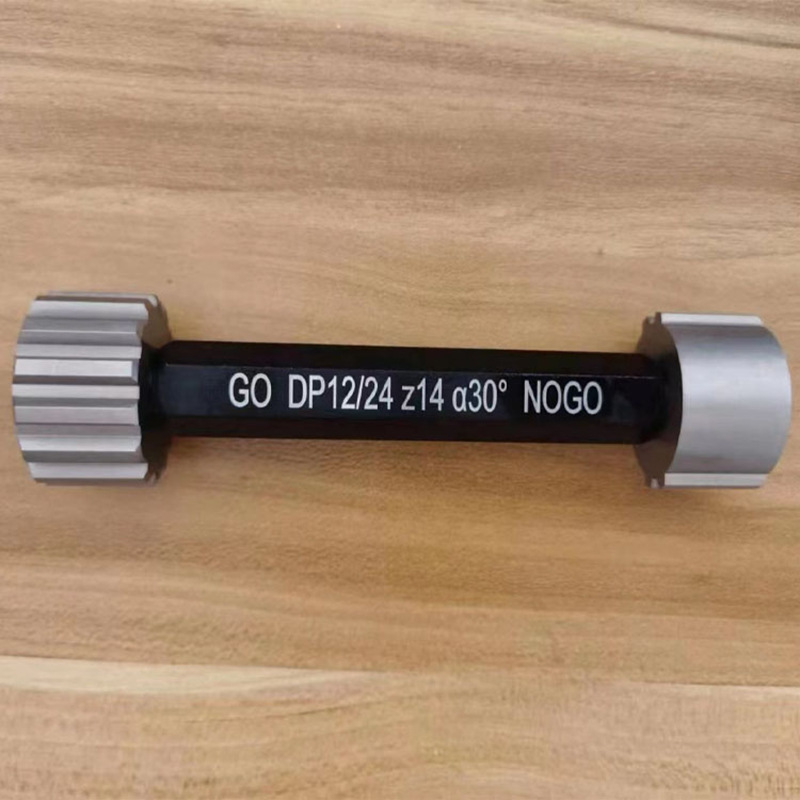
welded steel workbench
The Advantages of Using a Welded Steel Workbench In the realm of industrial workspaces, the signific
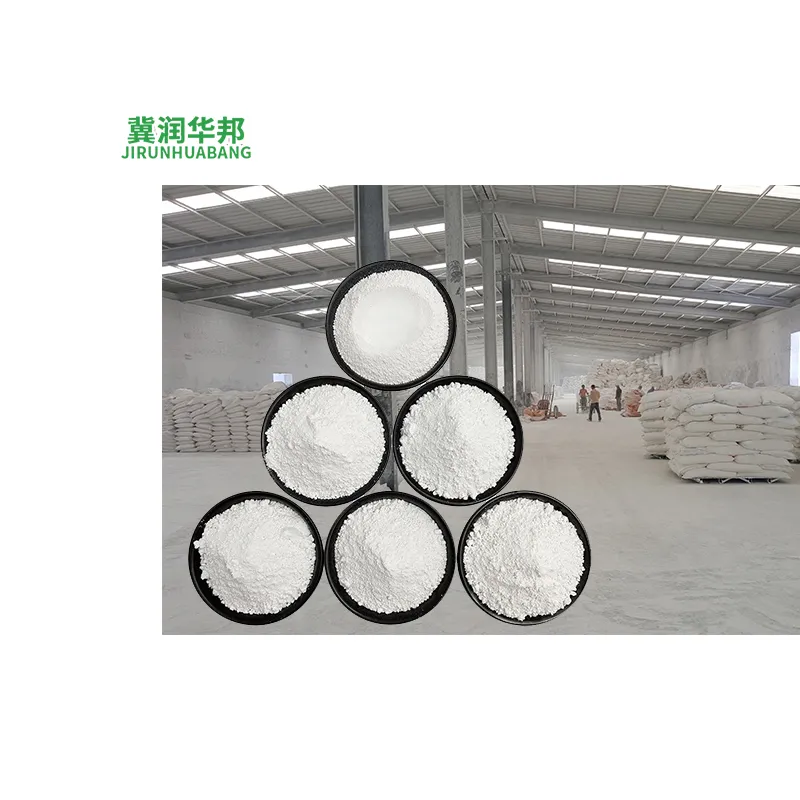
Valvola a sfera 150 per applicazioni industriali e residenziali di alta qualità
Valvole a Sfera Il Cuore della Regolazione nei Sistemi Idraulici Le valvole a sfera, o globe valve i

Wood Fence Post Caps Enhance Your Outdoor Space with Stylish and Durable Options for Fencing
The Importance and Aesthetic Appeal of Wood Fence Post Caps Fencing has long been an essential compo
 English